
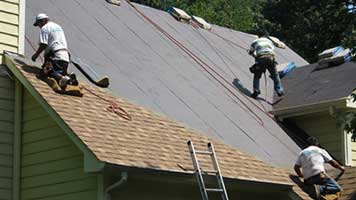
Repairing Structural Roof Rot and Sagging Decking: Restoring Stability to Older Greensboro Properties
For homeowners living in Greensboro’s beautiful historic districts—like Fisher Park, Aycock, or College Hill—as well as long-established neighborhoods throughout the Triad, older homes offer incredible architectural character and charm. However, maintaining an older property means keeping a vigilant eye out for long-term wear and tear, particularly across your roof’s structural foundation.
One of the most serious issues an older roof can face is structural wood rot, which often manifests visually as a noticeable sag or dip in your roofline. Structural rot occurs when a minor roof leak goes unnoticed for months or even years, allowing water to continuously saturate the underlying plywood decking, rafters, and support trusses. Over time, wood-decaying fungi feast on the wet timber, stripping away its structural strength and creating a soft, spongy framework that threatens the stability of your entire home.
If you have noticed a bowing roofline or soft spots across your roof deck, addressing it before winter snow loads or heavy spring rains arrive is a matter of critical safety. Explore comprehensive structural restoration services directly at Triad Installations. Let’s look at how structural roof rot develops, how professionals diagnose it, and the exact steps required to restore permanent stability to your home.
The Silent Progression of Wood Rot
Wood rot is a quiet, progressive problem that usually starts in the hidden recesses of your attic. It is typically driven by two distinct issues:
Chronic, Long-Term Leaks
A tiny, pinhole leak around a chimney flashing or a plumbing pipe vent may not drop enough water to instantly cause a stain on your living room ceiling. Instead, the water is absorbed entirely by the plywood roof decking or the timber rafters. Day after day, this continuous moisture keeps the wood damp, providing the perfect breeding ground for destructive fungi.
Inadequate Attic Ventilation
Many older Greensboro homes were constructed before modern building codes mandated specific ridge and soffit ventilation systems. Without proper airflow, moisture from cooking, bathing, and laundry can rise into the attic and become trapped against the cool underside of the roof deck. This chronic humidity causes condensation to form, slowly rotting the structural wood from the inside out.
Warning Signs That Your Roof Deck is Compromised
As a homeowner, there are several key indicators that point to structural wood rot and compromised decking:
-
A Visible Sagging Roofline: If you step out into your yard and look up at your home, your roofline should be perfectly straight. If you notice a wave, a dip, or a clear sag between your rafters, the underlying wood has softened and is buckling under the weight of the shingles.
-
Spongy Footing: During a routine roof walk or gutter cleaning, if a section of the roof feels soft, bouncy, or springy beneath your feet, the plywood decking underneath has completely deteriorated.
-
Discolored Attic Timbers: If you climb into your attic with a flashlight and observe dark white, black, or powdery gray patches across your rafters, or if the wood appears splintered and wet to the touch, active rot is destroying your support system.
The Structural Repair and Reconstruction Process
You cannot fix structural wood rot by simply putting new shingles over the soft zones. Doing so adds extra weight to a failing structure, drastically increasing the risk of a catastrophic localized collapse. A proper restoration requires a complete structural teardown of the damaged area:
-
Stripping and Assessment: Shingles and underlayment are stripped away from the sagging sections to fully expose the raw wood frame.
-
Decking Replacement: All rotted, soft, or delaminated plywood sheets are cut out and completely discarded.
-
Rafter Reinforcement (Sistering): If the heavy structural rafters or trusses have suffered surface rot, they must be structurally reinforced. Technicians will “sister” the damaged timber by pairing a brand-new, structurally sound dimensional lumber beam directly alongside the compromised rafter, fastening them securely together with heavy-duty bolts to restore original load-bearing capacities.
-
Installing a Modern Foundation: Brand-new, moisture-resistant CDX plywood decking panels are fastened across the reinforced frame, followed by a high-performance waterproof underlayment and a fresh, durable shingle layout.
-
Upgrading Ventilation: To prevent the issue from ever returning, professionals will often integrate modern ridge and soffit vents to ensure continuous, healthy attic airflow.
Trust Greensboro’s Structural Restoration Experts
Repairing a rotted roof structure demands a high degree of engineering knowledge and specialized equipment. It is an intricate process that should only be entrusted to a deeply experienced, fully licensed, and insured contracting company.
At Triad Installations, we have been proudly safeguarding Greensboro homes and restoring historical properties since 1984. We bring unrivaled local expertise to every complex structural repair, utilizing seasoned technicians with a minimum of 10 years of field experience. All of our structural roofing projects are backed by an ironclad 5-Year Workmanship Guarantee. Don’t let a hidden leak threaten your home’s safety—connect with our specialized teams today to schedule an evaluation.
Recent Comments